
Commercial Touchless Soap Dispensers vs Plastic Manual Dispensers: Long-Term Cost Comparison
Cheap plastic soap dispensers may look affordable at first, but high-traffic commercial restrooms often face higher long-term costs from broken push mechanisms, soap waste, messy counters, repeated replacement, and increased janitorial labor. Commercial-grade touchless soap dispensers help reduce these problems while improving restroom hygiene and presentation.
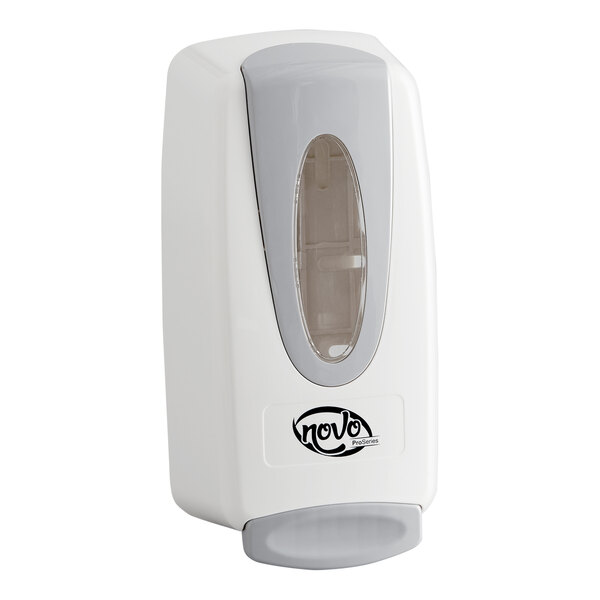
Cheap Plastic Manual Soap Dispenser
Basic manual foam dispensers are often selected because of their low upfront price, but they still require users to press the dispenser by hand. In commercial restrooms, repeated manual use can lead to worn push components, inconsistent soap output, soap residue, and more frequent cleaning around sink areas.
These dispensers may work for low-traffic areas, but in airports, schools, office buildings, restaurants, and public restrooms, long-term maintenance costs can quickly reduce the value of the lower initial price.

Fontana Commercial Touchless Soap Dispenser
The Fontana Denver commercial touchless soap dispenser helps reduce physical contact, improve restroom hygiene perception, and control soap dispensing in high-traffic facilities. Its sensor operation helps limit unnecessary waste while creating a cleaner, more professional restroom appearance.
For facility managers, the long-term benefit is not only hygiene improvement but also reduced janitorial cleanup, fewer complaints from messy counters, and stronger restroom presentation for guests, tenants, employees, and visitors.
— Facility Operations Manager
Long-Term Cost Benefit Summary
Manual plastic dispensers may reduce initial purchasing cost, but commercial buildings often pay more over time through replacement, repairs, wasted soap, and added cleaning labor. In contrast, touchless commercial dispensers support controlled soap delivery, reduce hand contact, and create a more upscale restroom environment.
For high-traffic facilities, the stronger value is usually found in commercial-grade touchless systems because they support hygiene, reduce maintenance friction, and improve the restroom experience for daily users.