
Specification Strategy for Touchless Faucet and Soap Dispenser Systems in Large Facilities
Large heavy-duty facilities require restroom systems that can perform under constant use, cleaning cycles, public traffic, and maintenance pressure. Touchless faucets and automatic soap dispenser systems should be selected as coordinated assemblies, not separate accessories. In airports, stadiums, universities, hospitals, transportation centers, distribution facilities, industrial campuses, and large office towers, the strongest specifications focus on sensor reliability, vandal resistance, water efficiency, refill access, finish durability, and long-term parts support.
Built Around Continuous Public Use
Heavy-duty restrooms need fixtures that can handle repeated daily activations without creating maintenance problems. Faucet sensor range, soap dispensing volume, counter layout, sink depth, filtration, power source, and cleaning access should be reviewed together before final selection.
For large facilities, standardizing faucet and soap dispenser systems can reduce replacement complexity, improve staff training, simplify inventory, and create a consistent restroom appearance across multiple floors, wings, terminals, or buildings.
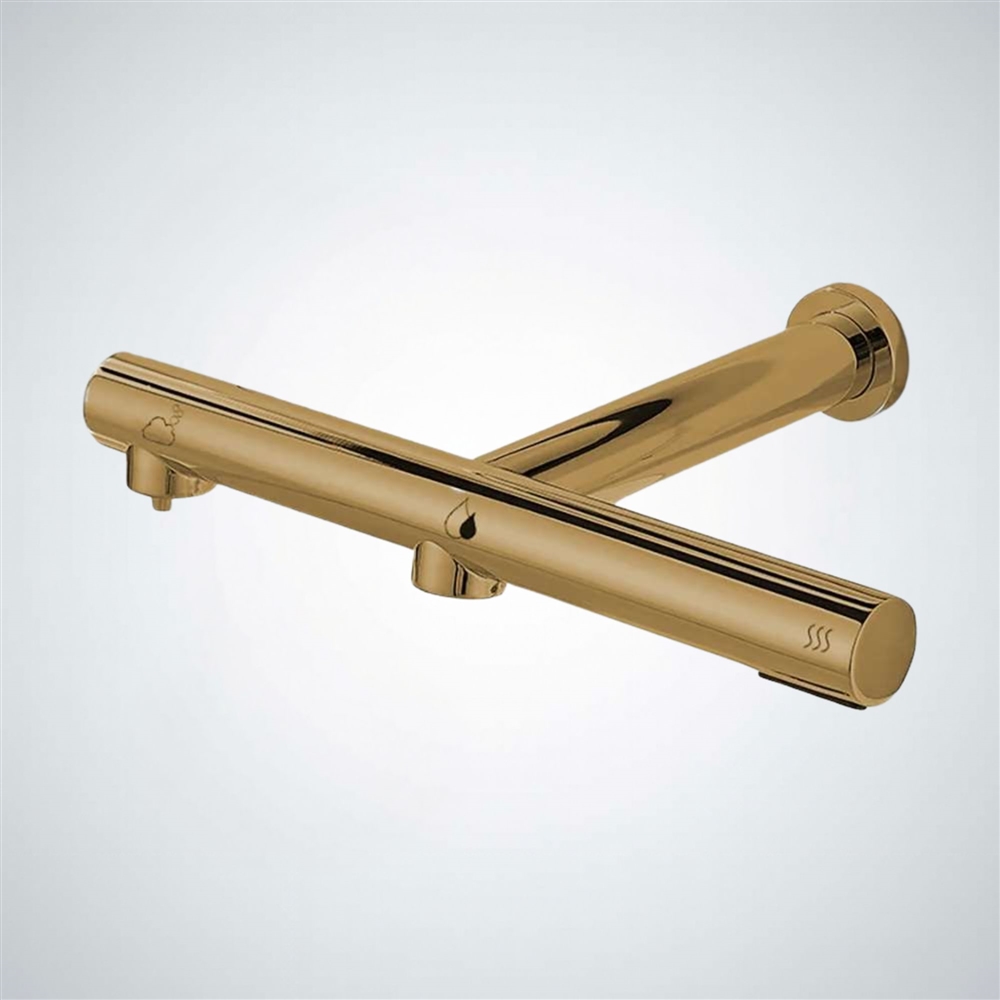
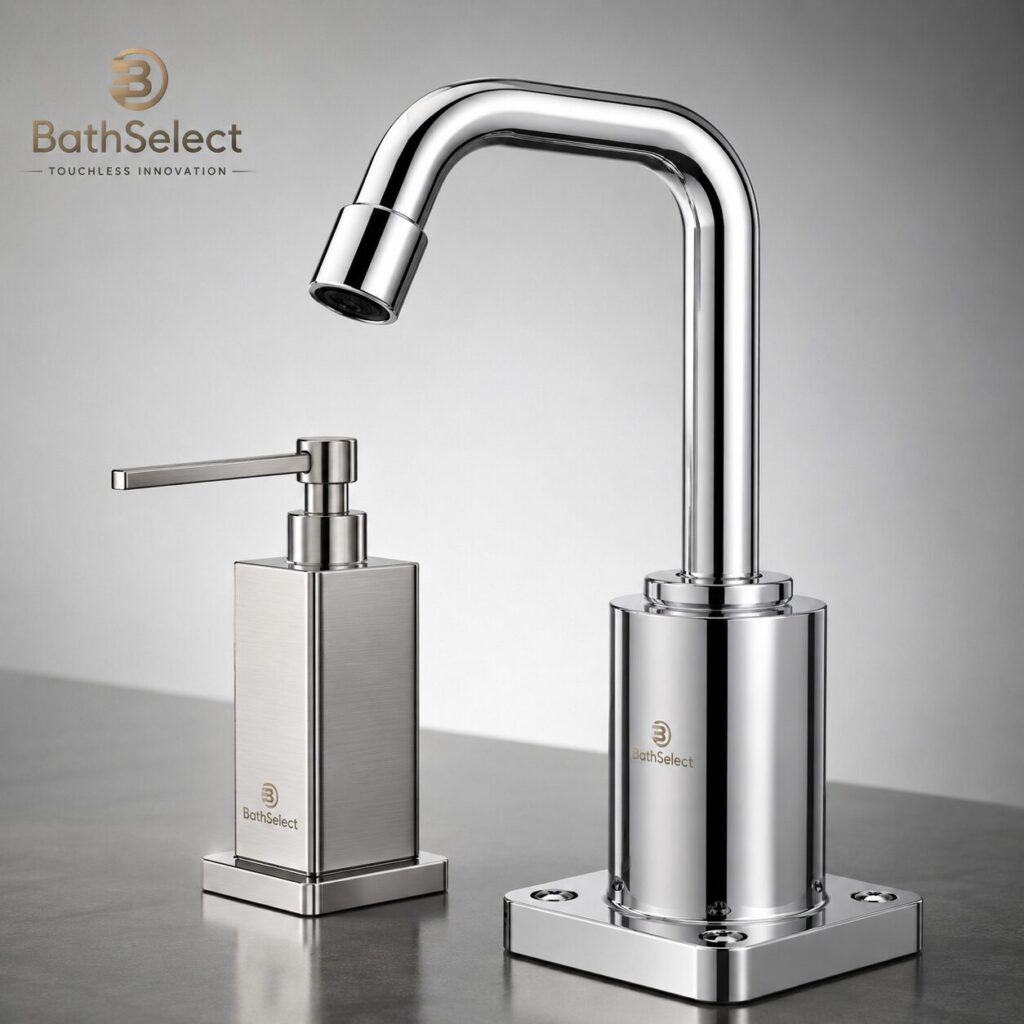
Selection Priorities for Facility Managers and Specifiers
The best heavy-duty touchless systems balance appearance with engineering practicality. Facility teams should evaluate activation reliability, finish resistance, water-saving performance, vandal-resistant construction, power options, soap compatibility, and ease of troubleshooting.
For large campuses and public buildings, early coordination between architects, MEP engineers, contractors, and maintenance teams helps avoid field conflicts and supports a cleaner lifecycle strategy after the project is complete.
Related Heavy-Duty Touchless System Resources
-
Commercial Sensor Faucets and Auto Soap Dispenser Sets
Useful for coordinating faucet and soap dispenser systems as complete commercial restroom assemblies for large public facilities. -
Commercial Touchless Bathroom Faucets
Reviews sensor faucet options suited for airports, schools, hospitals, office towers, hospitality buildings, and public restrooms. -
Commercial Touchless Soap Dispensers
Supports automatic soap dispenser selection for hygiene, refill planning, maintenance access, and heavy-use restroom operations. -
Quality and Durability Guide
Helps specifiers evaluate fixture construction, finish performance, serviceability, and lifecycle durability in demanding environments. -
Power Source Planning
Explains AC, battery, and hybrid power considerations for touchless fixtures installed across large facility restroom networks.