
Best WikiHomeImprovements for 2026 — Ultimate Guide
The most valuable home improvements combine durable materials, thoughtful plumbing, efficient water use, accessible layouts, and easy long-term maintenance. Explore practical upgrades for homes, hotels, hospitality properties, malls, stadiums, and other busy buildings.
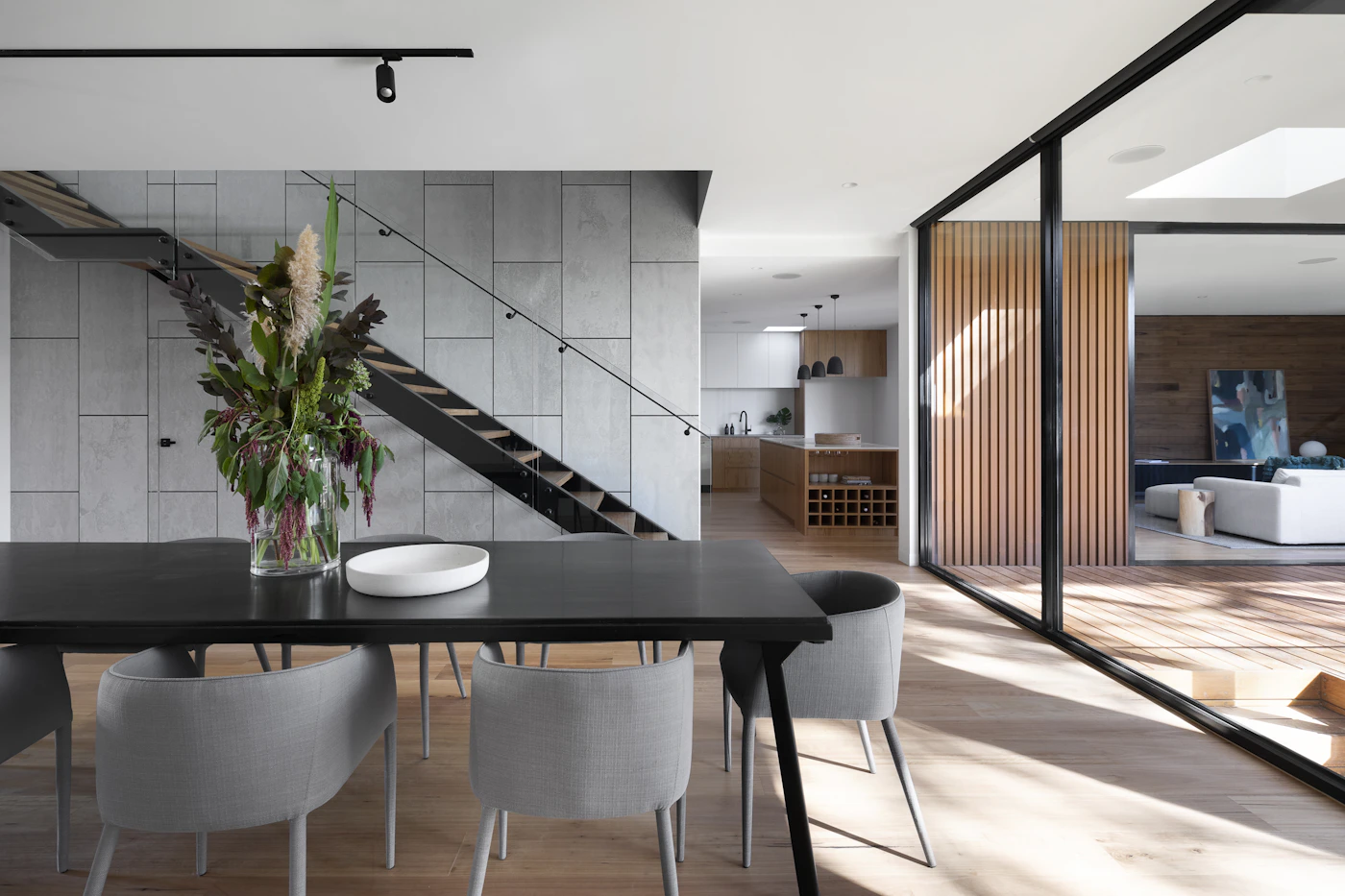
What makes a home improvement worthwhile in 2026?
The best upgrades solve an actual problem: persistent leaks, difficult cleaning, awkward sink access, inefficient fixtures, inconsistent shower temperatures, or high maintenance demands. Style matters, but an attractive finish cannot compensate for poor installation clearance, unverified product performance, or hard-to-replace components.
For 2026, focus on improvements that deliver daily comfort while protecting the underlying building. Prioritize properly installed bathroom fixtures, durable kitchen plumbing, waterproof shower assemblies, targeted energy upgrades, accessible circulation, and products with clear service documentation.
Read more about renovation value
Renovation budgets vary by project and market. The 2026 U.S. Houzz & Home Study reported a median renovation spend of $20,000 for projects completed in 2025 across surveyed homeowners. That number is contextual—not a quote for an individual bathroom, kitchen, or commercial facility. Establish your own scope, have contractors inspect site conditions, and obtain itemized bids rather than projecting costs from national averages.
For hotels and other commercial venues, value often depends on cleaning time, spare-parts continuity, room downtime, plumbing accessibility, and repeatability across dozens or hundreds of fixtures. Evaluate total installed and operating cost rather than purchase price alone.
Best home improvements to consider in 2026
These are practical project categories, not a product ranking. The right choice depends on your building condition, local requirements, budget, and how the space is used.
Bathroom fixtures
Replace worn faucets, drains, and valves with serviceable components matched to sink dimensions and available water pressure.
Waterproof showers
Coordinate shower heads, controls, drainage, waterproofing, and maintenance access before tilework begins.
Touchless systems
Use sensor-operated faucets and dispensers where hygiene, accessibility, and traffic make hands-free controls valuable.
Efficient kitchens
Improve fixture fit, supply-line access, ventilation, lighting, and storage without compromising workflow.
Building efficiency
Investigate air leaks, insulation, moisture, ventilation, and inefficient equipment before purely cosmetic updates.
Accessible layouts
Plan reachable controls, safe flooring, clear approach space, and maintainable sink assemblies from the outset.
Choose faucets for reliability, not appearance alone
A bathroom faucet is a daily-use mechanical assembly. Before selecting a wall-mounted, single-handle, widespread, or sensor-operated model, confirm mounting configuration, hole spacing, spout reach, basin geometry, supply connections, available pressure, and the drain arrangement.
For heavily used restrooms, prioritize replacement cartridges, accessible shutoffs, aerators, robust finishes, and supply-line inspection access. A faucet with a long spout may splash in a shallow basin; a vessel sink can require a different spout height than an undermount sink.
Learn more about faucet specifications
Ask the supplier for installation drawings and data covering working pressure, flow at a stated test pressure, mounting hole diameter, supply-thread size, cartridge or solenoid access, and recommended maintenance. Verify relevant local plumbing requirements and certifications for the exact model rather than assuming a finish or product family carries a particular approval.
EPA states that WaterSense-labeled private-lavatory faucets and accessories are limited to 1.5 gallons per minute and are designed to retain useful performance. This labeling program does not extend to ordinary public lavatory sensor faucets. Public lavatories often use approximately 0.5 gpm or less where applicable; confirm the local plumbing code and fixture application.
See bathroom sink faucet installation articles and the EPA WaterSense faucet guidance.

Build a shower system that can be serviced
The best shower upgrade is a complete assembly—not simply a new rain shower head. Good results require careful attention to waterproofing, valve compatibility, supply capacity, drainage, and future access.


Design the complete water path
Map supply lines, mixing controls, diverters, outlets, shower head locations, and drain capacity. Multi-outlet arrangements may demand more flow than a single standard shower head; never assume every outlet can run simultaneously at design pressure without checking the manufacturer’s hydraulic requirements.
For digital or thermostatic control systems, confirm the manufacturer’s installation instructions, power requirements if applicable, temperature limit provisions, and service access.
Protect the assembly behind the tile
Waterproofing continuity matters at corners, penetrations, benches, and niches. Provide an appropriate sloped receptor, a compatible drain connection, and a water-resistance test before finishes conceal critical details.
View more shower selection guidance
Check ceiling load requirements for large overhead fixtures, anchor details for hand showers and slide rails, cartridge access behind trim, and clearance from door swings. Where anti-scald protection is required, confirm the selected mixing device and installation comply with the governing code and applicable product standard.
For further installation guidance, browse WikiHomeImprovements shower guides, including shower accessories and control-system articles.
Make touchless faucets work for the space
Hands-free faucets can reduce unnecessary contact with controls and support smoother use in high-traffic restrooms. They are particularly relevant in hotel lobbies, airport-like public facilities, retail malls, sports venues, and office washrooms.
Good selection requires more than sensor sensitivity. Review detection range, sensor position, basin reflectivity, operating voltage, battery or AC supply, solenoid placement, mixing method, filtration, timeout behavior, and maintenance isolation.
Read more about infrared and sensor installation
Infrared systems generally detect reflected light in a configured zone; other technologies may measure distance differently. Installation geometry determines whether a sensor reads hands reliably or misinterprets reflective basin surfaces. Confirm the precise technology and recommended mounting distances from manufacturer drawings.
For service planning, keep batteries, filters, solenoids, and supply stops accessible. Establish a routine for cleaning the sensor window, flushing debris from strainers according to instructions, checking connections, and inspecting leaks. A faucet should not be represented as ADA-compliant without evaluating the installed sink, approach clearance, controls, and surrounding room as a whole.
Explore sensor faucet installation resources and U.S. Access Board lavatory guidance.


Improve the kitchen through smarter coordination
High-value kitchen improvements protect workflow and simplify upkeep. Focus on sink size, faucet clearance, counter durability, splash protection, lighting, cabinet access, and practical cleaning surfaces. A well-planned work area should support food preparation while keeping plumbing connections accessible.
If replacing a kitchen faucet, review deck thickness, mounting-hole compatibility, swing radius, pull-down hose clearance, and any under-sink storage conflicts. Water supply and drain work should be performed to local code.
Learn more about kitchen project sequencing
Survey appliance clearances and electrical loads before ordering cabinetry. Confirm countertop templates after cabinets are installed and leveled. Coordinate sink and faucet rough-ins before stone fabrication, and inspect the final connections for leaks under typical operating conditions.
Designers should distinguish residential kitchen fixtures from products intended for public restroom lavatories. Flow limits, certification requirements, performance needs, and usage patterns are not automatically interchangeable.
Pair water-efficient fixtures with building-envelope improvements
A comprehensive renovation considers water use, thermal comfort, ventilation, and moisture control together. Attractive interiors last longer when hidden building issues are addressed first.

Water efficiency
Start with leak repairs, appropriate flow rates, and use-specific faucet or shower selection. EPA reports that replacing older inefficient bathroom sink faucets and aerators with WaterSense-labeled models can save an average family about 700 gallons annually. These are program averages; actual savings depend on baseline conditions and use.
Never equate lower flow with better suitability in every application. Public lavatories, hotel guest rooms, clinical spaces, and residential kitchens have different performance requirements.
Energy and envelope performance
Inspect drafty doors, leaky penetrations, inadequate insulation, condensation, and mechanical ventilation before pursuing decorative upgrades. The U.S. Department of Energy explains that air sealing and insulation work together; insulation alone does not necessarily stop unwanted air movement.
View more efficiency guidance
Prioritize building diagnostics and moisture investigation before concealing wall or ceiling cavities. Seal appropriate penetrations with materials and techniques suited to their conditions. Combustion appliances, flues, electrical work, and concealed fire-protection assemblies require specific safety practices; involve licensed professionals when necessary.
Reference: DOE insulation and air-sealing guidance.
Apply residential design lessons at commercial scale
Commercial facilities need the same core qualities as a good home renovation—plus capacity planning, repeatable specifications, cleaning durability, code coordination, and dependable spare-parts access.
Hotels & hospitality
Guest-room shower controls should be intuitive and comfortable; public-area faucets should be easy for facilities teams to maintain. Standardized cartridges, finish schedules, and parts inventories can simplify work across multiple rooms.
Shopping malls
Large restroom banks benefit from cleanable basin details, appropriate flow rates, reliable sensor adjustment, and accessible service compartments. Plan around peaks and cleaning cycles, not just average occupancy.
Stadiums & arenas
Event-driven surges make durability, fixture spacing, safe circulation, vandal resistance, and rapid maintenance important. Sensor settings should be commissioned under real use conditions.
Offices & mixed-use buildings
Consistent fixture families can help facility managers train staff, maintain spares, document repairs, and support a coordinated visual identity across floors and tenant areas.
Read the site’s public bathroom sustainability guidance and the 2010 ADA Standards for Accessible Design.
Compare upgrades before requesting a quote
A short technical checklist can prevent expensive mismatches, rework, and avoidable service problems.
| Project element | Confirm before purchase | Common avoidable issue |
|---|---|---|
| Bathroom faucet | Mount type, reach, basin pairing, supply size, flow, replacement parts | Splashing, clearance conflicts, inaccessible shutoffs |
| Sensor faucet | Power source, detection zone, mixing, solenoid access, timeout | False triggering or difficult battery/service access |
| Shower assembly | Valve capacity, pressure, drainage, waterproofing, outlet count | Insufficient flow or hidden water damage |
| Kitchen sink | Cabinet width, cutout, deck thickness, hose movement, drain | Faucet and sink incompatibility |
| Energy retrofit | Leak sources, existing insulation, ventilation, moisture condition | Concealed moisture or poorly targeted spending |
| Commercial lavatory | Accessibility, code limits, fixture spacing, cleaning, spare parts | Inconsistent installation across multiple restrooms |
Before construction
- Document existing dimensions, utilities, and site conditions.
- Identify permits, applicable codes, and required inspections.
- Request model-specific installation and service drawings.
- Obtain itemized labor, fixture, and contingency pricing.
- Confirm lead times and compatible replacement parts.
Before handover
- Check for leaks under operating conditions.
- Verify controls, temperature limits, and drainage.
- Inspect waterproofing documentation where applicable.
- Confirm access to shutoffs and serviceable parts.
- Collect warranties, manuals, and maintenance schedules.
Common home-improvement decisions worth reconsidering
Buying before measuring
Published dimensions are not substitutes for checking actual framing, basin clearances, countertop thickness, and plumbing centerlines. Resolve fit before ordering specialty fixtures.
Prioritizing finish over serviceability
Look for readily available cartridges, filters, seals, hoses, and electrical components where applicable. Difficult access can turn minor service into a disruptive project.
Ignoring moisture and ventilation
Improved finishes cannot resolve uncontrolled condensation, unsealed penetrations, or a failed waterproofing layer. Trace causes and repair the assembly correctly.
Assuming every product is certified
Accessibility, water efficiency, and plumbing approvals are model- and application-dependent. Use documented manufacturer evidence and check applicable local requirements.
Frequently asked questions
What are the best home improvements for 2026?
Start with improvements that correct known deficiencies: leak repairs, safe electrical and plumbing work, waterproof bathroom renovations, efficient fixtures, insulation and air sealing where appropriate, and accessible layouts. Cosmetic updates can follow once the underlying systems perform reliably.
Are touchless faucets worth installing in a home?
They can be convenient in households that prefer hands-free operation, but value depends on reliable detection, basin geometry, power access, maintenance needs, and purchase cost. In high-traffic commercial restrooms, touchless operation can offer more pronounced operational benefits.
What should I check before purchasing a shower system?
Verify the water supply, expected pressure, manufacturer flow demands, mixing/diverter compatibility, number of operating outlets, required waterproofing, drainage, mounting support, and replacement-part availability.
Is a 1.5-gpm faucet suitable for every restroom?
No. EPA’s WaterSense private-lavatory faucet specification applies to private bathroom sinks, including guest rooms. Public lavatories have different flow requirements and typically operate at substantially lower rates. Confirm the applicable fixture category and code before specifying a flow rate.
Does a sensor faucet automatically meet ADA requirements?
No. Touchless activation may facilitate use, but compliance depends on the complete installed lavatory and restroom: clearances, heights, reach ranges, exposed pipe protection, routes, and other applicable requirements.
How should hotels and stadiums select plumbing fixtures?
Consider anticipated traffic, peak flow demand, cleaning chemicals, vandal exposure, mounting conditions, parts availability, ease of replacement, and consistent specifications across rooms or restroom banks. Request model-specific drawings and commissioning procedures.
Installation resources and technical references
Use source documentation to validate decisions, then obtain local professional review where codes, electrical work, structure, or plumbing alterations require it.
Explore installation guides
Start with the right plan and installation details
Compare layouts, verify dimensions and specifications, and use reliable installation instructions before you commit to new plumbing fixtures or a major renovation.
This guide provides general planning information, not project-specific engineering or legal advice. Always follow manufacturer instructions and applicable building, plumbing, electrical, and accessibility codes.